
led lit mirrors for bathrooms
Types of Control Valves and Their Applications Control valves are essential components in various industrial processes, responsible for regulating fluid flow, pressure, and temperature within a system. They play a crucial role in automating and controlling processes in sectors such as oil and gas, water management, power generation, chemical manufacturing, and many others. Understanding the different types of control valves and their applications is vital for optimizing system performance and efficiency. 1. Globe Valves Globe valves are one of the most common types of control valves. They have a spherical body with a movable disc or plug that regulates flow. When the valve is partially opened or closed, the flow path changes, allowing for fine control over the flow rate. Globe valves are suitable for throttling applications and can handle high-pressure systems. They are widely used in chemical processing, water treatment, and HVAC systems. 2. Ball Valves Ball valves are known for their quick-response capability and reliability. They consist of a spherical disc that rotates to open or close the flow path. Ball valves are excellent for on/off control and can handle higher flow rates with lower pressure drops. Their tight sealing capabilities make them ideal for applications where leakage is a concern. They are commonly used in water supply systems, oil and gas applications, and as shut-off valves in various industrial processes. 3. Butterfly Valves Butterfly valves are characterized by a circular disc that rotates around a central axis to control flow. They are lightweight and require less space than other types of valves, making them suitable for applications with limited space. Butterfly valves are commonly used in large-scale systems such as water supply, wastewater management, and HVAC systems due to their ease of operation and cost-effectiveness. They provide good flow control and are highly efficient for larger pipes. 4 . Check Valves types of control valve and applications While technically not control valves in the traditional sense, check valves are crucial for preventing backflow in a system. They allow flow in one direction and automatically close when there is a reverse flow, protecting equipment and maintaining system integrity. Check valves are commonly used in water supply systems, fire protection systems, and oil and gas applications to ensure safety and reliability. 5. Pressure Relief Valves Pressure relief valves are critical for maintaining system safety by preventing excessive pressure buildup. When the pressure exceeds a predetermined limit, these valves open to release excess pressure, thus protecting equipment from damage. They are essential in industries like oil and gas, chemical processing, and power generation and are often used in conjunction with other control valves to ensure optimal performance and safety. Applications in Various Industries Different types of control valves are tailored for specific applications across various sectors. In the oil and gas industry, control valves regulate the flow of crude oil and natural gas, ensuring efficient extraction and transportation. In chemical manufacturing, they control the flow of reactants and products, maintaining optimal conditions for chemical reactions. In water treatment facilities, control valves regulate flow and pressure within pipelines to ensure clean and safe drinking water. Additionally, the power generation sector relies on control valves to manage steam and water flow in power plants, ensuring efficient energy production. HVAC systems utilize control valves to regulate air and water flow, contributing to energy savings and comfort in buildings. Conclusion Understanding the types of control valves and their respective applications is essential for engineers and operators in various industries. By selecting the appropriate control valve for specific needs, companies can enhance operational efficiency, ensure safety, and maintain system integrity. As industrial processes continue to evolve, the role of control valves in automation and control will remain pivotal in driving technology-forward solutions.
about
led lit mirrors for bathrooms
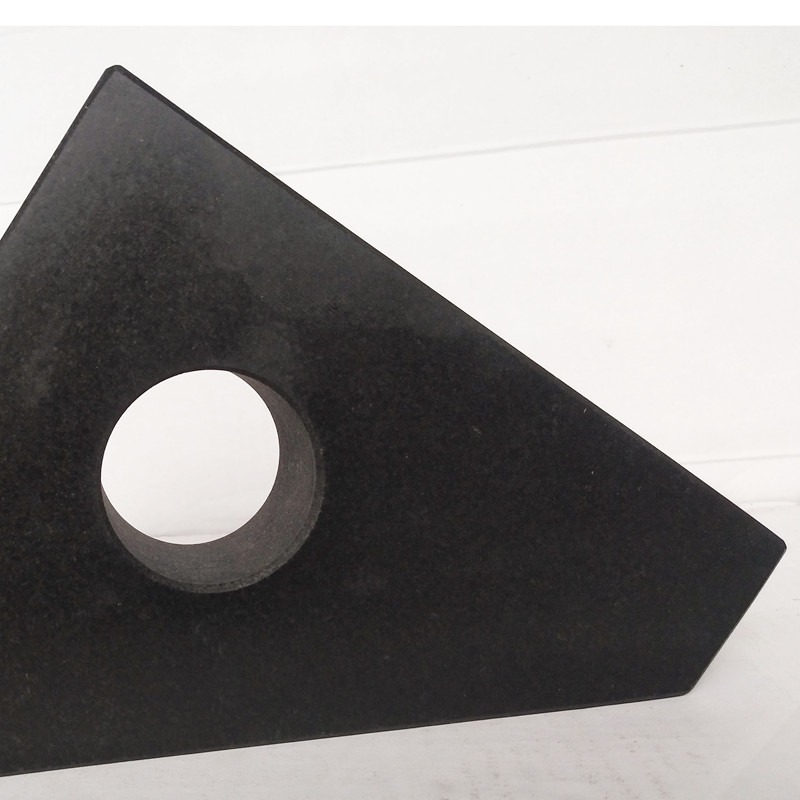
Understanding the Metal Angle Ruler A Precision Tool for Every Craftsman In the world of craftsmanship and design, precision is key. Whether you are an architect sketching blueprints, an engineer working on prototypes, or a DIY enthusiast in your garage, the tools you use can significantly influence the quality of your work. Among these tools, the metal angle ruler stands out as an essential and versatile instrument that helps ensure accuracy and efficiency in various applications. What is a Metal Angle Ruler? A metal angle ruler, also known as a metal framing square or an angle finder, is a tool used to measure and lay out angles with precision. Typically made from durable materials such as stainless steel or aluminum, these rulers are designed to withstand the rigors of construction and design work. The surface is often etched or marked with measurements to enhance visibility, ensuring that users can read them easily even in low-light conditions. Features and Benefits One of the main advantages of using a metal angle ruler is its durability. Unlike plastic or wooden alternatives, metal angle rulers do not warp, bend, or break easily. This makes them long-lasting, which is particularly beneficial for professionals who rely on their tools day in and day out. Metal angle rulers are also inherently more precise than their counterparts. They feature a straight edge that allows for accurate measurements and are often marked in both imperial and metric units. This dual measurement capability makes them useful in a variety of contexts, whether you are working on small-scale projects at home or large-scale constructions. A key feature of metal angle rulers is their ability to measure both angles and straight lines. This provides a double function in one tool, saving space in your toolbox while enhancing efficiency . Many models also include a built-in protractor, enabling users to measure angles beyond 90 degrees easily. metal angle ruler Applications The applications of a metal angle ruler are numerous and varied. In the construction industry, it is an indispensable tool for framing walls, roofs, and other structural components. Carpenters may use it to ensure that their cuts are precise and that joints fit together perfectly. In the realm of engineering, designers utilize metal angle rulers to create detailed plans and prototypes, ensuring that every measurement adheres to strict specifications. Furthermore, metal angle rulers are not just limited to professional environments; they are equally beneficial for hobbyists and DIY enthusiasts. Whether you are working on a woodworking project, home renovations, or crafting models, having a reliable measuring tool can elevate the quality of your work. It enables you to create clean lines, accurate cuts, and ultimately, a finished product that reflects your skill and attention to detail. Maintenance and Care To ensure that your metal angle ruler continues to perform well over time, proper maintenance is essential. After each use, it is important to clean the ruler to remove dust, grime, and any other debris that could affect its precision. A simple wipe down with a soft cloth will usually suffice. For those with etched measurements, avoiding abrasive cleaners will help maintain the visibility of the markings. Moreover, storing the ruler properly can prevent damage. It is advisable to keep the ruler in a protective case when not in use, and avoiding exposure to moisture will help prevent rust on metal surfaces. Conclusion A metal angle ruler is more than just a measuring tool; it is a symbol of precision and craftsmanship. Whether in a professional setting or a personal workshop, this tool can significantly impact the quality of work produced. Its durability, precision, and versatility make it an invaluable addition to any toolkit. By understanding its features, benefits, and proper maintenance, craftsmen and enthusiasts alike can leverage the capabilities of the metal angle ruler to enhance their projects, ensuring that their work stands the test of time. In a world that values accuracy and excellence, investing in a quality metal angle ruler is a decision that will pay dividends for years to come.
-

High quality industrial productsagement

High quality industrial products
View Details -

Meet the diverse needs of customers

Meet the diverse needs of customers
View Details -

Strict quality control

Strict quality control
View Details -

Top raw materials

Top raw materials
View Details -

Trusted supplier

Trusted supplier
View Details
Our application


news and information
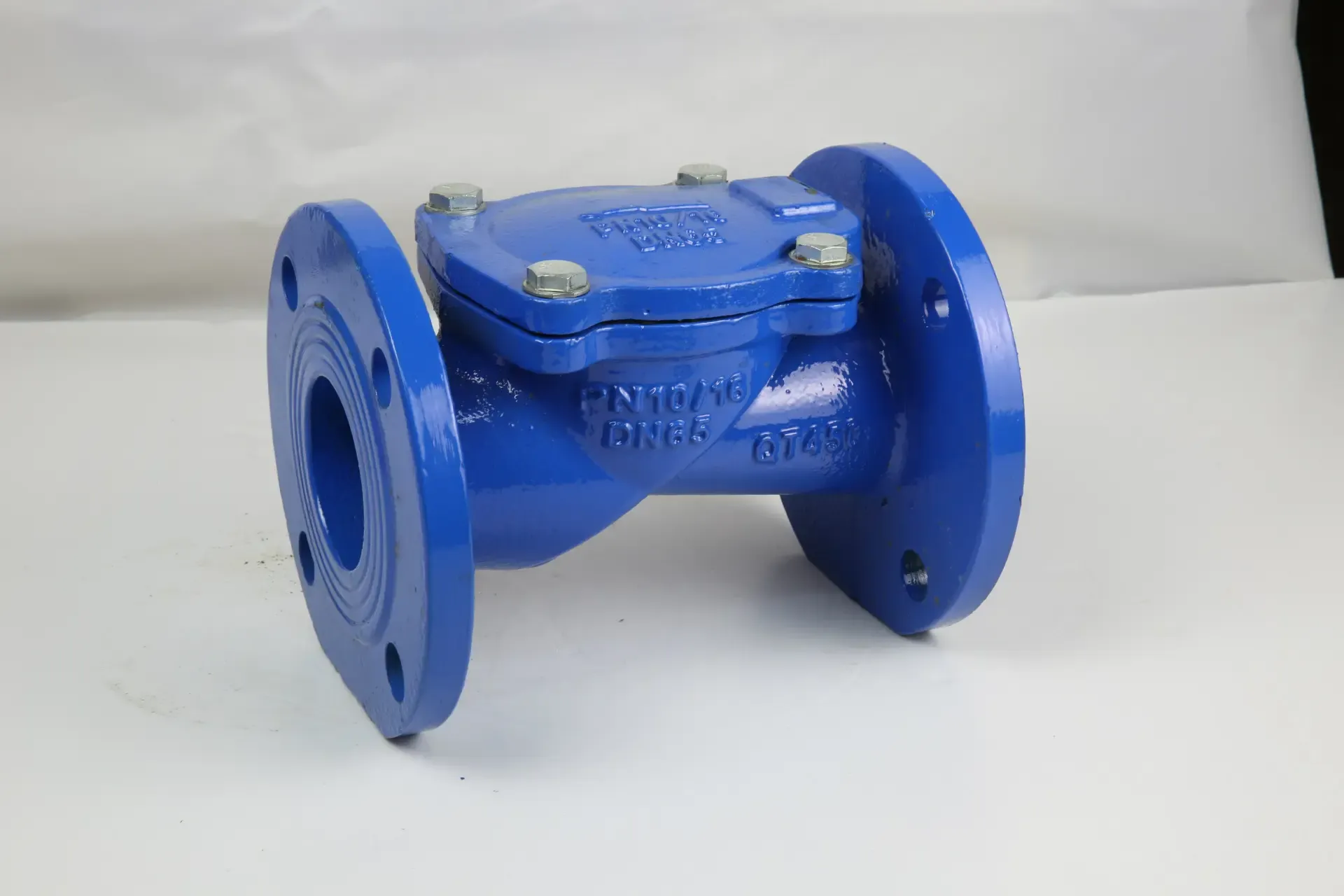
Vanne à bille de 6 pouces pour des applications industrielles fiables et efficaces
La valve à clapet à bille de 6% La valve à clapet à bille, souvent désignée sous l'appellation de va
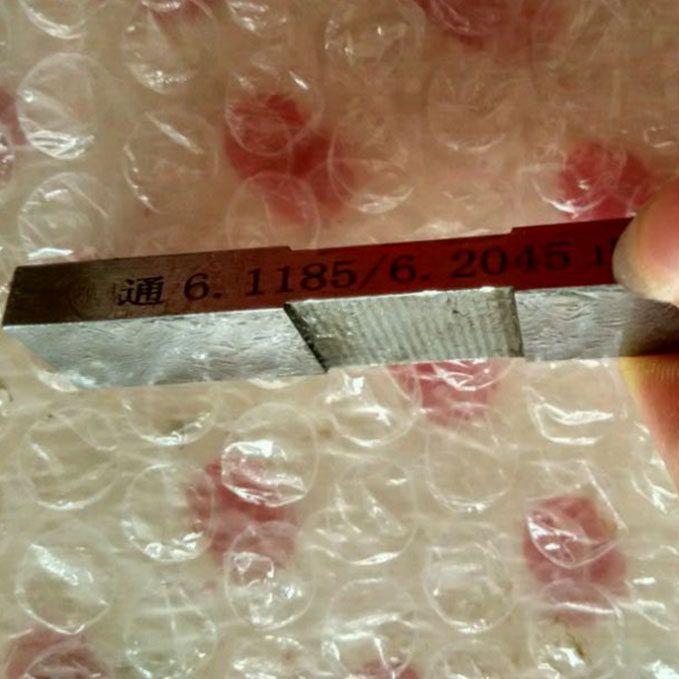
Versatile Metal Ruler for Precise Right Angle Measurements in DIY Projects
The Right Angle Metal Ruler A Crucial Tool for Precision and Accuracy In the realm of measurement an
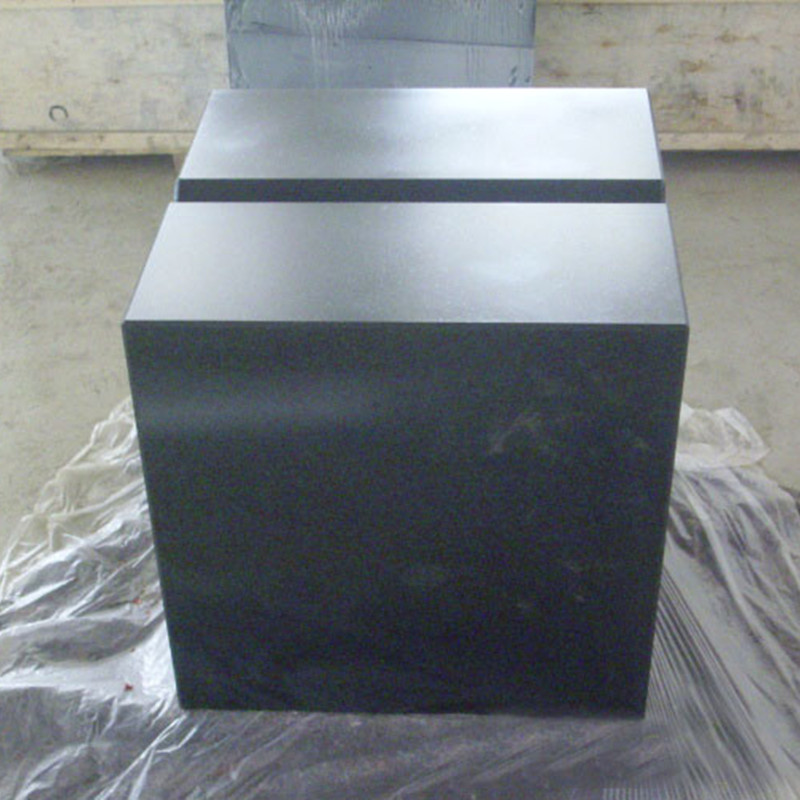
Welding table provider
Welding Table Suppliers Essential Partners for Precision Welding In the realm of industrial fabric
 English